
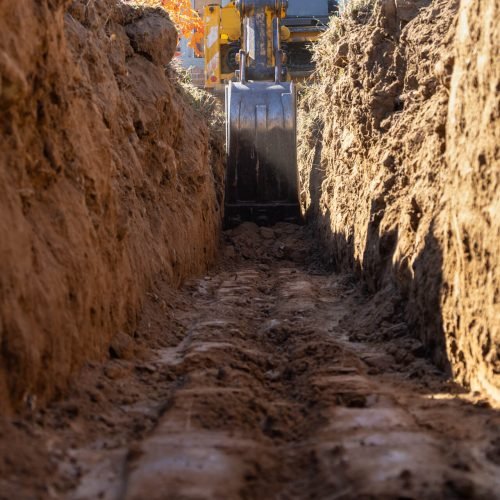

A small roup of 35 individuals brought to light in a Venetain cemeterydated sometime during the second half of the 15th century in the Lasithi plateau, Crete. Twenty-nine unlooted tombs of elliptical shape, oriented E-W, relatively shallow have been discovered.The dead are laid in extended position onthe floor under a relatively thin layer of earth; the skeletons are anatomically complete, but there also some partly disarticulated.
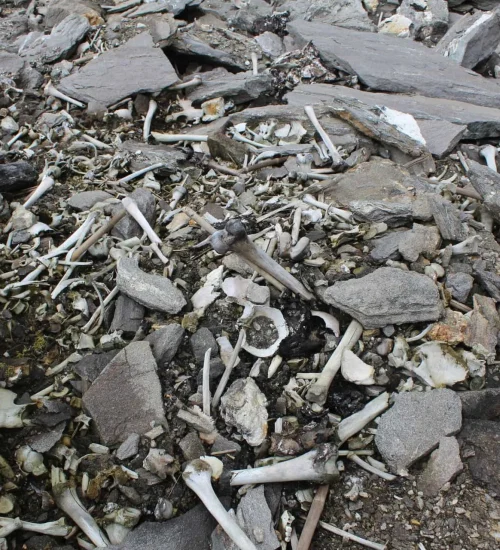
Skeleton 26A has been found in tomb 26,lying in extended position, facing west. The deceased (possible a female) has been wearing a pair of metal earrings (MA 26.1) of a simple undecorated shape.
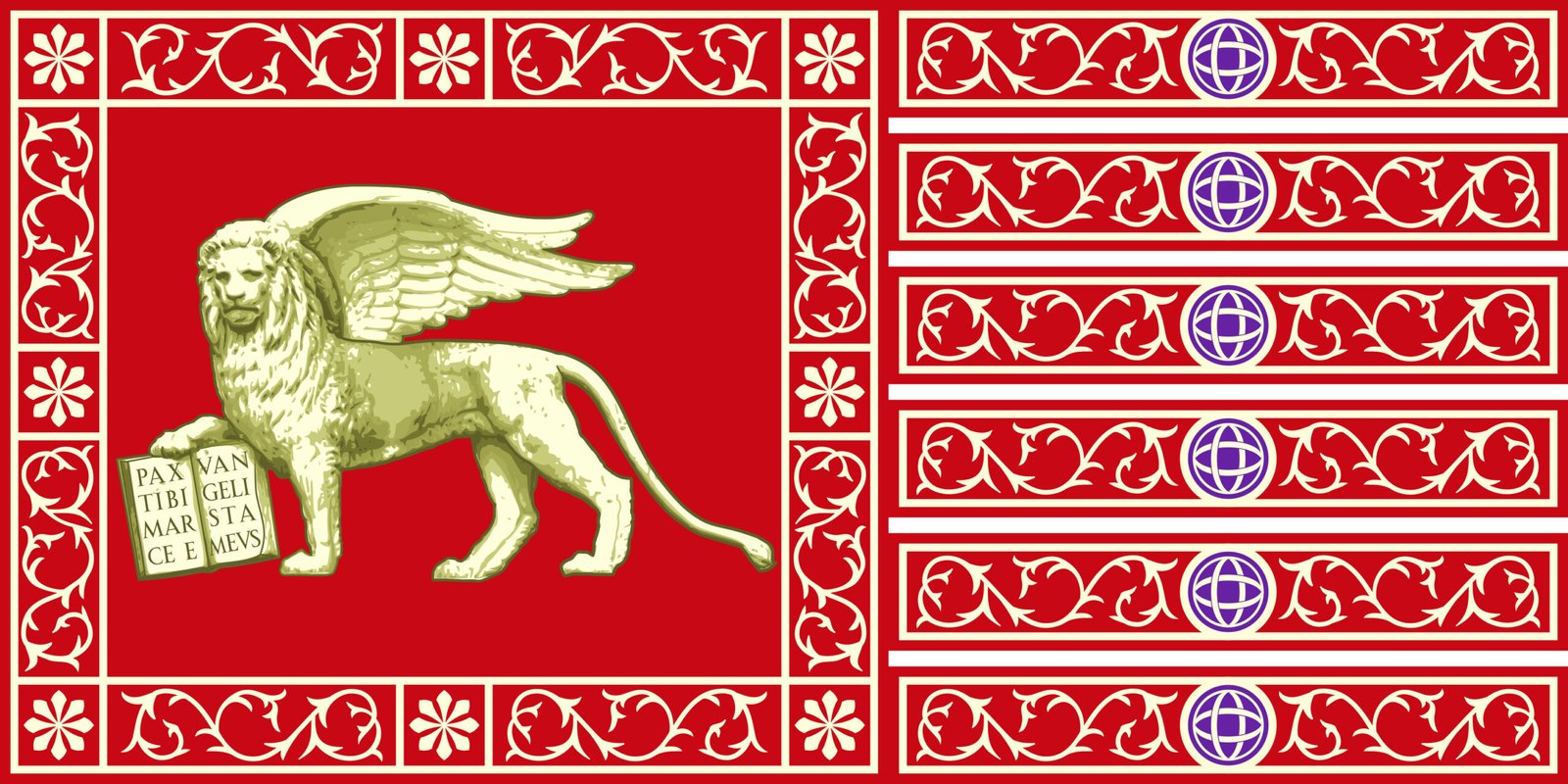
Lasithi was deserted during two periods, between 1293-1463 and from 1471-1514.However, in 1543 the Venetians desided to re-occupate Lasithi by giving the permission to refugees from Nayplio and Monevasia to live there. The historic sources inform us that Lasithi was the main granary for the Venetians in Crete.

The bones, which are preserved in good condition, have been studied using isotopic analysis with N and C. Therefore, by analyzing the collagen extracted from the bones of 12 people out of the 35 in total that were found, we have tried to identify the origin of the diet proteins in order to reconstruct their diet.